
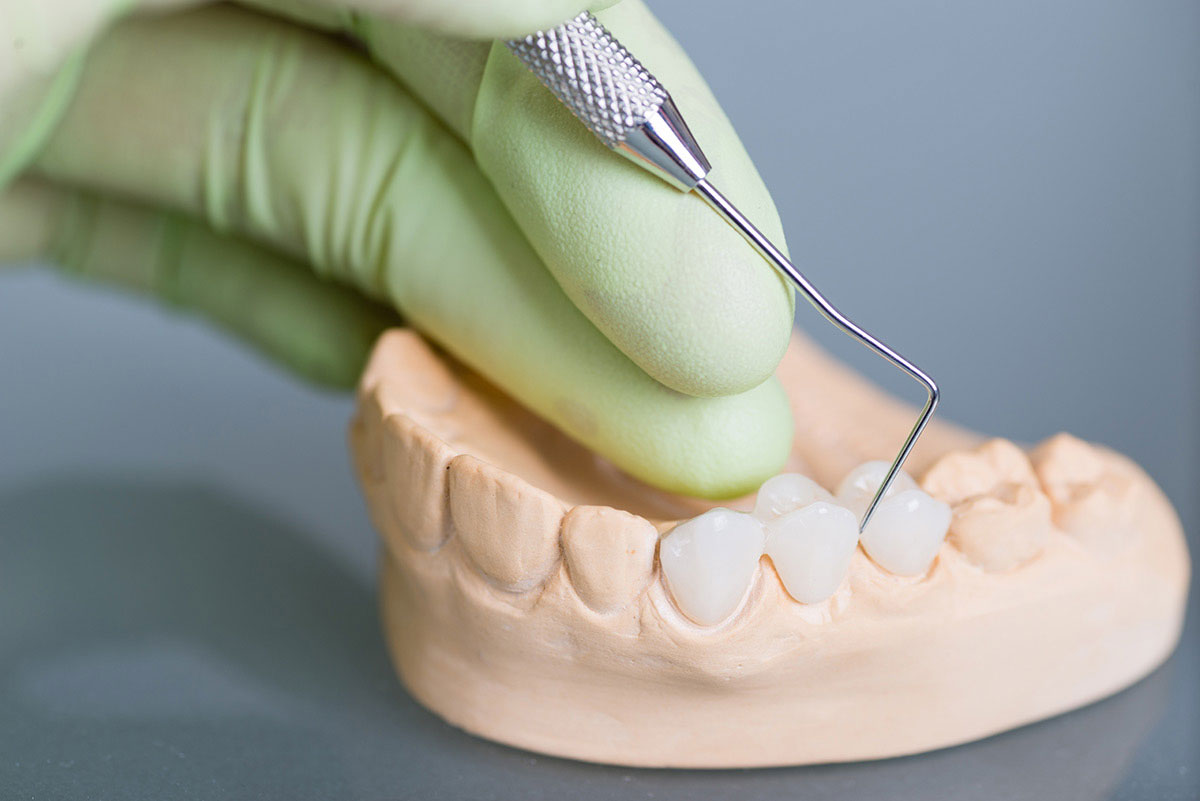
A missing tooth can leave more than an empty space. It can change how you chew, affect how nearby teeth meet, and make certain foods harder to enjoy. Fortunately, replacing a missing tooth does not always require a removable denture or an implant. Dental bridges can provide a fixed way to fill a gap and restore everyday function.
At The Dental Boutique in Largo, FL, dentures and partials are part of a broader approach to replacing missing teeth, including bridge treatment. A dental bridge can be designed to replace one or more missing teeth while blending with the surrounding smile.
What Is a Dental Bridge?
Dental bridges are fixed restorations designed to replace missing teeth. A bridge typically includes one or more replacement teeth connected to crowns or other supporting structures that hold the restoration in place.
The replacement tooth fills the gap, while the supporting portion of the bridge connects to the teeth or implants that provide support.
Because a bridge is fixed, patients do not remove it each day in the same way they would remove a traditional partial denture.
Why Replace a Missing Tooth?
It may be tempting to ignore a single missing tooth, especially if it is toward the back of the mouth. However, a missing tooth can influence the balance of the bite.
Neighboring teeth may gradually shift into the open space. The opposing tooth may also move because it no longer meets another tooth in the same way.
Replacing the missing tooth can help restore chewing function and maintain a more balanced arrangement of the remaining teeth.
How Dental Bridges Work
The exact design depends on the location of the missing tooth and the condition of the surrounding teeth.
With a traditional bridge, the teeth next to the gap may be prepared to support crowns. The replacement tooth is connected between those supporting crowns.
Another approach uses dental implants to support the bridge. Implant-supported bridges can replace several missing teeth without relying on natural teeth on both sides of the gap.
The appropriate design depends on the patient’s oral health, number of missing teeth, bone condition, bite, and long-term goals.
What Happens During a Dental Bridge Consultation?
The process starts with an examination of the missing-tooth area. The dental team evaluates the surrounding teeth, gums, bite, and available support.
Digital images may be used to assess the area and help determine the best approach.
The consultation is also an opportunity to discuss appearance. A bridge should not only fill the space, it should also fit naturally with the shape, color, and proportions of the surrounding teeth.
Choosing the Right Bridge Design
Not every bridge is designed the same way. A single missing tooth may require a different approach from several adjacent missing teeth.
The condition of the neighboring teeth also matters. If the teeth next to the gap already have large fillings or crowns, they may be able to serve as bridge supports. If they are healthy and strong, another approach may be considered.
Implant-supported bridges offer another option when appropriate. Because implants provide support within the jaw, the restoration does not have to rely on natural teeth in the same way.
Dental Bridges and Appearance
Modern restorative dentistry focuses on more than filling spaces. The shape, color, and proportions of replacement teeth can be designed to blend with the rest of the smile.
A bridge should look appropriate when you smile and should also feel comfortable when you speak and chew.
The goal is not for the replacement tooth to stand out. A well-planned restoration should fit naturally into the overall appearance of the mouth.
Eating With Dental Bridges
One of the main reasons patients choose dental bridges is to restore chewing function.
After the restoration is placed and the mouth has adjusted, many patients can return to a broad range of foods. However, it is still wise to avoid habits that can damage dental restorations, such as biting hard objects or using teeth as tools.
Your dental professional can also explain whether any temporary food restrictions are needed during treatment.
Speaking With a Dental Bridge
Missing teeth can sometimes change speech, particularly when the missing teeth are near the front of the mouth.
A new bridge may feel unusual for a short period while the tongue adjusts to the restoration. Reading aloud and speaking normally can help the mouth become familiar with the new shape.
If speech still feels unusual after the adjustment period, the bridge can be evaluated to make sure the fit and design are appropriate.
Benefits of Dental Bridges
- Fills a visible gap: A bridge replaces the missing tooth or teeth with a fixed restoration.
- Restores chewing function: Replacing missing teeth can make eating more comfortable.
- Supports a balanced bite: Filling the space can help maintain a more complete tooth arrangement.
- Fixed design: A traditional bridge stays in place instead of being removed for meals.
- Natural-looking appearance: Bridge teeth can be customized to complement the surrounding smile.
- Several design options: Traditional and implant-supported bridges may be considered depending on the case.
- Improved daily comfort: Replacing missing teeth can make speaking and eating feel more natural.
Dental Bridges vs. Partial Dentures
A partial denture is removable, while a traditional bridge is fixed. This difference can influence daily routines.
With a partial denture, the patient removes the appliance for cleaning and follows instructions about when to wear it. A bridge remains in place and is cleaned in the mouth.
Some patients prefer the convenience of a fixed restoration, while others prefer the flexibility of a removable appliance. Oral health and the number of missing teeth also affect which choice makes sense.
Dental Bridges vs. Dental Implants
Dental implants and bridges can both replace missing teeth, but they work differently.
A traditional bridge relies on supporting teeth. A dental implant replaces the root portion of a missing tooth and can support a crown or bridge.
Implant treatment typically involves surgery and a healing period. A traditional bridge may involve a different treatment timeline and may be completed without implant surgery.
The right option depends on the patient’s anatomy, oral health, preferences, and long-term goals.
How to Care for a Dental Bridge
Daily cleaning is essential. Plaque can collect around the supporting teeth and underneath the replacement tooth.
Brushing twice daily and cleaning between the teeth can help protect the gums and supporting structures.
Special flossing tools or interdental brushes may make it easier to clean beneath a bridge. Your dental team can demonstrate the best technique for your specific restoration.
Why Professional Checkups Still Matter
A dental bridge can be durable, but it still needs professional monitoring.
Regular visits allow the dental team to check the bridge, supporting teeth, gums, and bite. If a small issue develops, identifying it early can make treatment simpler.
Professional cleanings can also remove buildup from areas that are difficult to reach at home.
What If the Supporting Tooth Has a Problem?
The health of the supporting teeth is important for a traditional bridge. If one of those teeth develops decay, gum disease, or another problem, the bridge may also be affected.
This is why daily hygiene and regular examinations are so important. Protecting the supporting teeth helps protect the restoration.
If you notice pain, sensitivity, looseness, or a change in your bite, contact your dental office for an evaluation.
How Long Do Dental Bridges Last?
The lifespan of dental bridges varies. Oral hygiene, bite forces, material, supporting tooth health, and daily habits can all affect how long a bridge performs well.
There is no single number of years that applies to every patient. A bridge that receives consistent care and regular professional monitoring has a better opportunity to remain functional for the long term.
Who May Be a Candidate for a Dental Bridge?
Patients missing one or more teeth may be candidates for a bridge if the surrounding support is appropriate.
A dental examination is necessary to determine whether a traditional bridge, implant-supported bridge, partial denture, implant, or another solution makes the most sense.
The best treatment is the one that addresses the missing teeth while fitting the patient’s overall oral health and long-term goals.
A Complete Smile Is About Function, Too
Replacing a missing tooth is not simply a cosmetic decision. It can help restore chewing, support a more balanced bite, and make daily activities feel more natural.
Dental bridges provide one fixed approach for replacing missing teeth. With thoughtful planning, careful fitting, and consistent maintenance, a bridge can become a comfortable part of your smile.
Ready to learn whether a dental bridge could replace your missing tooth or teeth? Contact The Dental Boutique at 727-250-0052 or visit 3700 East Bay Dr., Largo, FL 33771 to Schedule a Consultation and explore your tooth replacement options.