
Preventative Dentistry: The Basics for a Healthier Smile
Published on Aug 1, 2025 | 6 minute read
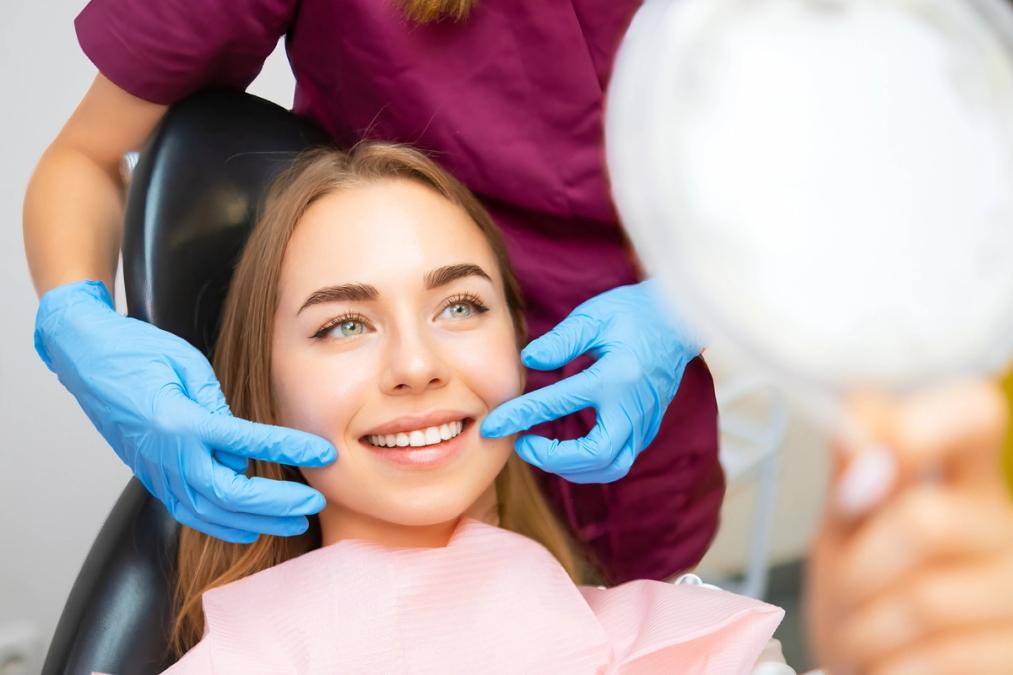
What if the simplest daily habits could save you time, money, and a whole lot of tooth trouble later? That’s the promise of preventative dentistry—catching small issues before they grow into big ones. It isn’t flashy. It’s not dramatic. But it works, and it works for every stage of life. If you’re looking for a clear, friendly roadmap to keep your mouth healthy, this is where to start.
What Preventative Dentistry Really Means
At its core, preventative dentistry is everything you do (and your dental team does) to stop problems before they start. Think routine checkups, professional cleanings, fluoride, sealants, and coaching on home care. The goal is simple: reduce the risk of cavities, gum disease, enamel wear, and costly treatments down the line. Preventative dentistry doesn’t promise perfection, but it absolutely stacks the deck in your favor.
Daily Habits That Pull Real Weight
Brushing twice a day with a fluoride toothpaste and flossing once daily sounds basic because it is—but it’s also powerful. Replace your toothbrush every 3–4 months, sip water often, and limit sugary snacks. Small steps add up. Preventative dentistry at home is like keeping oil in your car; you won’t notice the benefit every day, but you will notice the problems if you stop.
Professional Care You Shouldn’t Skip
Even with stellar home care, plaque hardens into tartar that a toothbrush can’t remove. That’s why preventative dentistry includes professional cleanings every six months for most adults. Your hygienist removes that buildup and your dentist screens for cavities, gum disease, cracks, oral cancer, and bite issues. Early detection means simpler, less invasive treatments—and fewer surprises.
Fluoride and Sealants: Quiet Superheroes
Fluoride strengthens enamel, making teeth more resistant to acid attacks from bacteria and food. Sealants are thin protective coatings placed in the deep grooves of back teeth to block bacteria from settling in. Both are painless, fast, and a smart part of preventative dentistry—especially for kids and teens, but helpful for many adults too.
Nutrition That Loves Your Teeth Back
A diet that supports preventative dentistry emphasizes water, dairy (or calcium-rich alternatives), fibrous veggies, lean proteins, and whole grains. Sugary drinks, frequent snacking, and sticky treats feed the bacteria that cause cavities. You don’t have to be perfect—just consistent. If you do indulge, rinse with water and brush when you can.
Mouthguards and Nightguards: Protection on Duty
If you play contact sports, a custom mouthguard can prevent chips, fractures, and soft-tissue injuries. If you grind or clench at night, a nightguard helps protect enamel and jaw joints. These simple devices fit neatly into a preventative dentistry plan because they stop damage before it starts.
Benefits (Backed by Professional Sources)
- The American Dental Association (ADA) supports brushing with fluoride toothpaste, daily flossing, and routine professional care to prevent tooth decay and gum disease.
- The Centers for Disease Control and Prevention (CDC) notes community water fluoridation reduces cavities across populations and is safe and effective.
- The National Institute of Dental and Craniofacial Research (NIDCR) highlights that early detection and preventive measures lower the risk of advanced periodontal disease and tooth loss.
Taken together, these organizations reinforce that preventative dentistry leads to fewer cavities, less gum disease, and lower lifetime dental costs.
How Often Should You Come In?
Most people do well with a checkup and cleaning every six months. Some need more frequent visits—especially if they’re managing gum disease, dry mouth, orthodontic treatment, or medical conditions that affect oral health. The schedule isn’t about being “perfect.” It’s about customizing preventative dentistry so it fits your mouth and your life.
Signs You’re Due (or Past Due)
Bleeding when you brush, lingering bad breath, sensitivity to cold, or a chipped tooth are all signals to get back on track. Preventative dentistry welcomes “resets.” Even if it’s been years, you can start again today and make real progress within a few visits.
A Practical Game Plan You Can Start Now
- Stock a soft-bristle toothbrush and fluoride toothpaste.
- Set a 2-minute timer for brushing—morning and night.
- Floss every evening (a water flosser counts).
- Keep a reusable water bottle handy.
- Put your cleaning and exam on a repeating calendar reminder.
Bringing It All Together
Preventative dentistry is steady, not complicated, and surprisingly cost-effective. By pairing everyday habits with routine professional care, you prevent most dental problems—or at least catch them while they’re easy to fix. Fewer emergencies. More peace of mind. A healthier smile that lasts.
Ready to put preventative dentistry to work for you? Book an appointment with The Dental Boutique in Largo, FL or call 727-250-0052 to Schedule a Consultation and build a personalized prevention plan.